Backroad Guard Long-Range Emergency Strobe Light - Texas Red
13 sold in last 24 hours
This long-range emergency strobe light is built for the Texas backroad you didn’t plan on blocking. Throwing a piercing red pulse up to 3 miles, it flashes 60–70 times a minute so drivers and rescue crews lock on fast. A single D battery keeps it running up to 60 hours, and the metal clip grabs onto vests, cones, or racks in seconds. When everything else goes sideways, this beacon does one job: make sure you’re seen.
What a Long-Range Emergency Strobe Light Really Does for You
Out on a Texas highway, nobody cares what brand your gear is. They care if they can see you in time. This long-range emergency strobe light is built for that exact moment — the flat tire on a farm-to-market road, the stalled truck on I‑35, the boat trailer sitting crooked on a dark lake ramp. Its job is simple: throw a hard-to-ignore red pulse far enough and steady enough that drivers, crews, and rescuers can’t miss you.
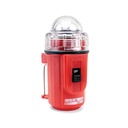
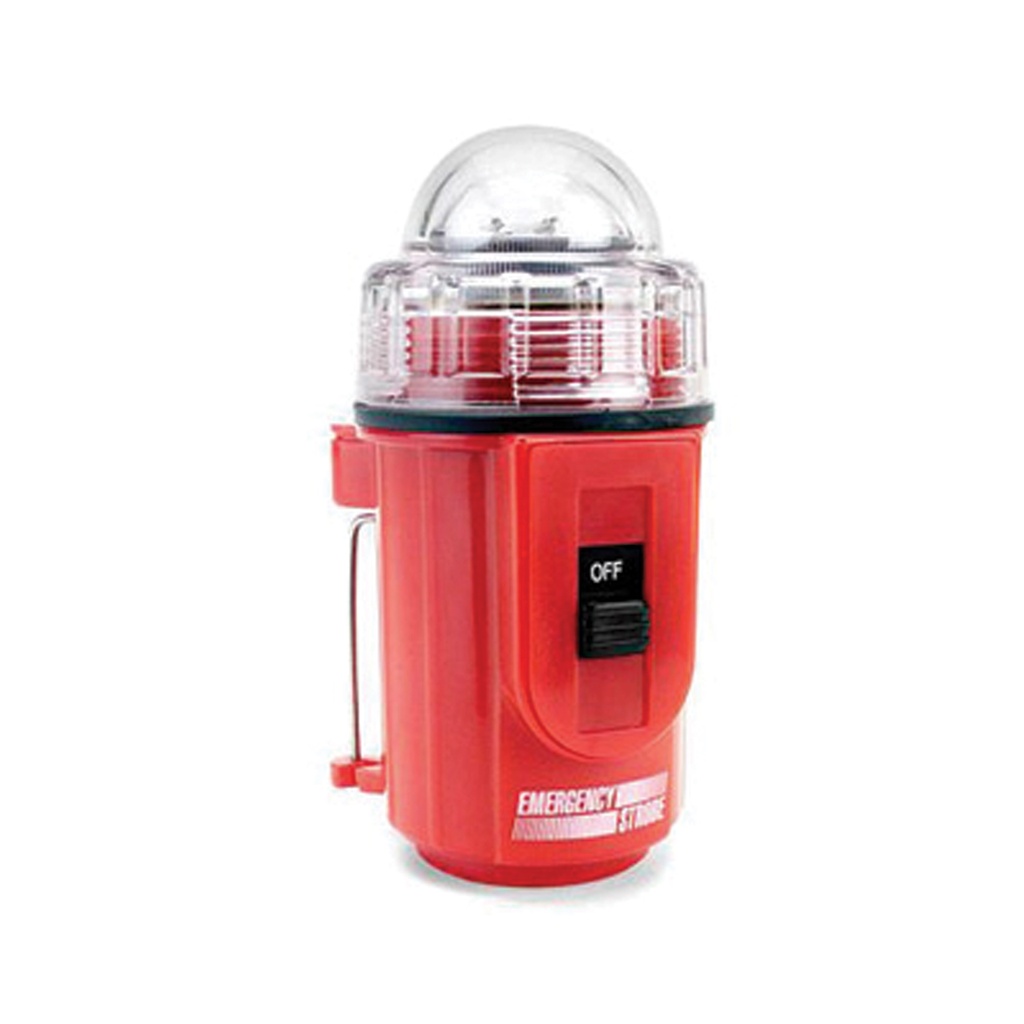
This isn’t a flashlight and it isn’t a flare. It’s a purpose-built emergency strobe with a clear dome lens, a bright red body, and a metal clip that lets you put light exactly where it needs to be. One D battery, hours of nonstop signaling, and a flash pattern tuned to catch the eye without burning through power.
Inside the Mechanism: How This Emergency Strobe Keeps Signaling
Mechanically, this emergency strobe light is straightforward by design. A sliding on/off switch runs the whole show. Under that clear dome sits the strobe element and electronics that push out 60–70 flashes per minute — fast enough to demand attention, slow enough to preserve the battery.
Simple Switch, Serious Output
The black sliding switch is sized so you can work it with cold fingers or work gloves. No modes, no memory, no guessing. Slide it on, it starts flashing. Slide it off, it’s done. That simplicity is what you want when traffic is bearing down or a Texas thunderstorm is rolling in sideways.
Single D Battery, Long Runtime
Power comes from one D cell, which is easier to find at a small-town gas station than some odd-sized specialty battery. That single battery can keep the emergency strobe light running up to 60 hours. For a roadside bag, ranch truck, or boat kit, that means one battery swap covers multiple trips or incidents without babying the light.
Texas Reality: Where This Emergency Strobe Light Belongs
Texas roads and work sites have their own rhythm. You’ve got oilfield trucks running county roads before daylight, ranch hands checking fence lines, and families dragging boats back from the lake after dark. This emergency strobe light fits into all of that without demanding any learning curve.
Clipped on a reflective vest, it marks a person in a dark work zone. Snapped to a traffic cone, it turns a basic marker into a three‑mile signal. Hooked onto a headache rack or trailer rail, it gives oncoming drivers a clear, pulsing warning long before they hit your hazard lights. That long-range visibility — up to 3 miles — is what separates a real emergency beacon from a cheap blinking toy.
Texas Law and Emergency Visibility
Unlike knives, you’re not juggling automatic knife or switchblade carry laws here. In Texas, having an emergency strobe light in your truck, boat, or work bag is just plain common sense, not a legal problem. Law enforcement, road crews, and ranchers all lean on strobes and beacons for visibility. This one is designed to live in that world: obvious purpose, clear emergency intent, and no confusion about what it’s for.
Why Texas Buyers Trust This Style of Emergency Strobe Light
Texas buyers tend to be hard on gear and short on patience for gimmicks. They want something that does what it says, every time. This emergency strobe light earns that trust through a few simple choices.
- High-visibility red housing that looks like safety gear, not a toy.
- Clear, ribbed lens and dome that spread light in all directions, not just a narrow beam.
- Metal clip that actually bites onto fabric, webbing, and edges without feeling fragile.
- Simple on/off switch that doesn’t bury you in modes or blinking patterns.
- Long runtime that matches the real length of a storm delay, highway closure, or night search.
When a Texan builds an emergency kit, they’re not just thinking about themselves. They’re thinking about family, hired hands, neighbors, and the stranger who might come over the hill too fast. This long-range emergency strobe light is the piece you throw in the glovebox or gear bin and forget — until you really need it.
Mechanism vs. Other Safety Lights: Why a Dedicated Emergency Strobe Matters
In the same way a collector knows the difference between an automatic knife, an OTF, and a switchblade, a serious preparedness-minded Texan knows that not all lights are equal. A flashlight throws a beam where you point it. A lantern glows around you. A dedicated emergency strobe light does one thing: it screams for attention at distance.
The strobe mechanism in this beacon isn’t there for looks. The 60–70 flashes per minute hit the eye in a way steady light doesn’t. That pulsing is what makes a beacon stand out against headlights, streetlamps, and background clutter. It’s the visibility equivalent of hearing a siren over normal traffic noise.
Clip-On Versatility for Real-World Use
The side-mounted metal clip is more than a convenience. It means you can mount the emergency strobe light vertically on a vest, sideways on a strap, or on the edge of a toolbox or trailer stake. Vertical orientation keeps the dome exposed and the light pattern clean, but the clip gives you options when the scene is messy — mud, rain, broken plastic, or twisted metal.
What Texas Buyers Ask About Long-Range Emergency Strobe Lights
How is an emergency strobe light different from other safety lights?
An emergency strobe light is built to be seen from far away, not to help you see things up close. The mechanism drives a bright, pulsing flash — 60–70 times per minute in this case — instead of steady light. A flashlight or work light might help you change a tire, but this kind of beacon helps other people notice you in time to slow down, steer around, or come help.
Is it legal to use an emergency strobe light on Texas roads?
For personal use in emergencies — broken-down vehicle, roadside hazard, work zone visibility — a compact emergency strobe light like this is both common and expected in Texas. You’re simply making yourself more visible so other drivers can react safely. The main thing is not to impersonate law enforcement or emergency vehicles with specific color patterns on your primary vehicle lighting. A standalone red emergency beacon used to mark a hazard is squarely in the safety category.
Where should I keep this strobe so it’s actually useful?
Most Texans do best with one emergency strobe light in the glovebox or center console and another in the main gear bag or toolbox. That way you can reach one from the driver’s seat and still have a backup to clip on yourself, a cone, or a trailer. If you run ranch roads, offshore rigs, or late-night job sites, keeping one on a vest or in a door pocket turns it into part of your everyday safety kit instead of an afterthought.
Why This Beacon Belongs in a Texas Kit
This long-range emergency strobe light doesn’t try to be clever. It’s a bright red body, a clear dome, a metal clip, and a flash pattern tuned to get you noticed up to 3 miles out. That’s it — and that’s why it works. In a state where a “quick trip” can run you a hundred miles of dark highway, having a dedicated beacon in the truck, boat, or work rig is just part of being prepared.
The Texans who carry good tools, good blades, and well-thought-out safety gear all share one trait: they like owning the right piece for the job. This emergency strobe light is that piece for visibility. It’s for the person who doesn’t wait on luck or other people’s headlights to keep them safe — they bring their own beacon.