Benchland Progress Dual Grit Sharpening Stone - Two-Tone Gray
8 sold in last 24 hours
This dual grit sharpening stone is for Texans who actually use their knives. Coarse on the dark side to reset a tired edge, fine on the light side to bring it back to shaving sharp. Use it with water or light oil on the bench, tailgate, or camp table. No gimmicks, no guides—just a two-tone whetstone that makes every automatic knife, OTF knife, or old-school switchblade cut like it ought to.
What This Dual Grit Sharpening Stone Really Is
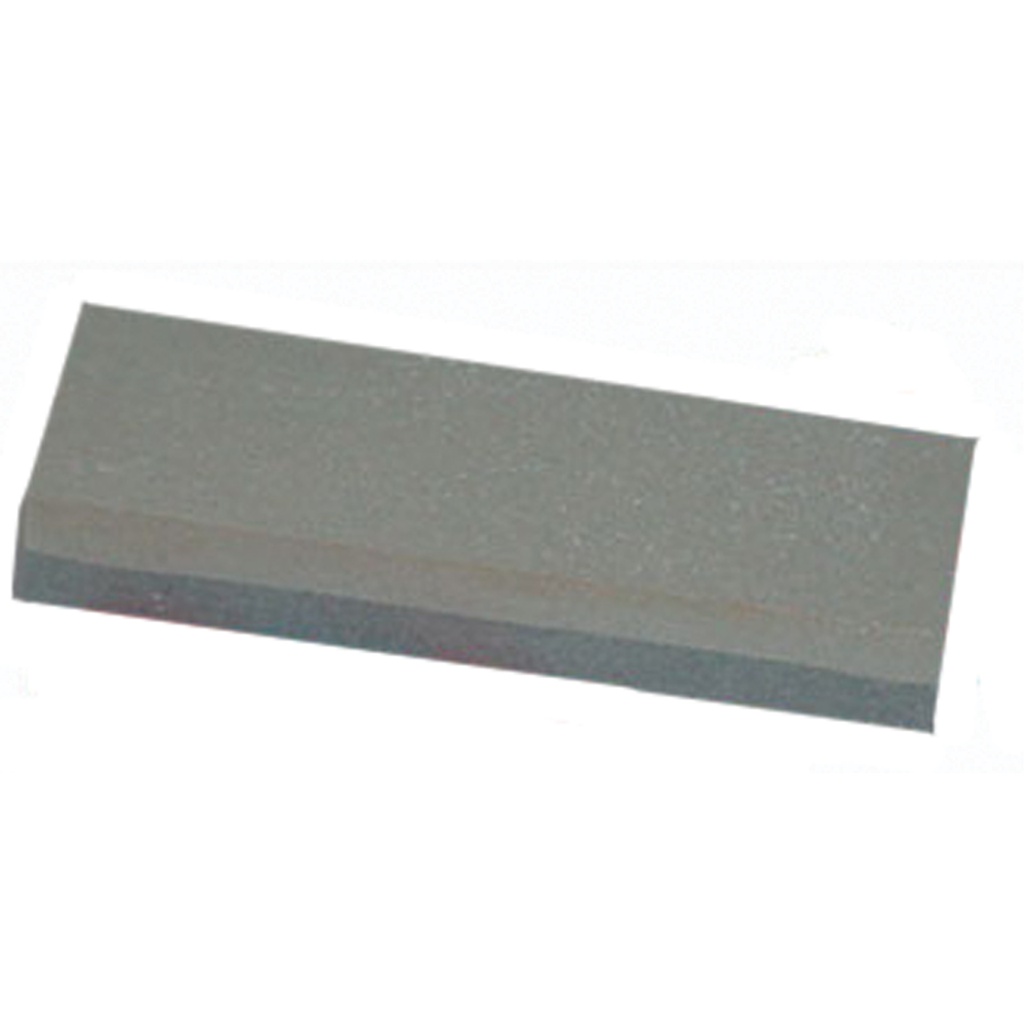
The Benchland Progress Dual Grit Sharpening Stone - Two-Tone Gray is a straightforward two-sided whetstone built for Texans who actually cut things, not just talk about them. It doesn’t care whether you favor an automatic knife, carry an OTF knife, or keep a traditional switchblade in the truck. Steel is steel. This stone is how you keep it honest.
One darker coarse side to reset and shape. One lighter fine side to refine and finish. No plastic base, no rails, no gimmicks. Just a rectangular block that lives on your bench or in your range bag and quietly keeps every edge you own doing its job.
How a Dual Grit Sharpening Stone Works for Texas Knives
A good sharpening stone doesn’t care about trend terms; it cares about angles and consistency. This dual grit sharpening stone gives you both in a compact, two-tone package. The coarse grit on the dark gray face bites just enough to re-profile a dull edge on your automatic knife or take a rolled tip out of a hard-used OTF knife. Flip it to the light gray fine side and you’re polishing that same edge to a smooth, slicing finish.
Because it’s a classic whetstone, you control the stroke, the pressure, and the angle. That’s how a Texas collector keeps a favorite switchblade snapping open to a razor edge instead of just a jagged "sharp enough." Use water for a quick tune-up, or light oil when you’ve got time at the bench and want that slow, even feedback only a real stone gives.
Coarse Grit: Fix, Shape, and Bring Back a Dead Edge
The darker layer is where you do the heavy lifting. Chip in the blade from a mesquite root? Tip rolled after a hard day opening boxes? This side eats metal steadily without digging trenches. Work your automatic knife here when you’ve let it go too long, or put your OTF knife on it after gritty ranch work. A few patient passes and you’ve got a clean, straight bevel again.
Fine Grit: Refine, Polish, and Get to Razor
Once the geometry is right, the lighter gray face finishes the job. This fine grit is where your switchblade or side-opening automatic knife starts shaving arm hair and sliding through rope instead of chewing it. It doesn’t chase a mirror polish for show; it delivers a working edge that lasts, with just enough bite to grab into cardboard, hide, or rope the way a Texas blade should.
Why Texas Collectors Still Trust a Stone Over Gadgets
In a drawer full of sharpeners and pull-through gadgets, a simple dual grit sharpening stone is still the one tool that treats each knife like the mechanism it is. An OTF knife has a slender, often double-edged blade that hates over-grinding. A chunky automatic knife might want a slightly broader bevel for abuse. A vintage switchblade deserves a light, respectful touch. This two-sided whetstone lets you give each one exactly what it needs without a fixed slot forcing one angle on everything.
A Texas collector who knows the difference between an OTF knife and a side-opening automatic also knows the value of sharpening by hand. You feel the burr form. You feel it fall away. That feedback tells you more about your edge than any marketing chart. This stone is quiet, repeatable, and unforgiving in the way good tools are—you either learn to use it right, or it tells on you.
Sharpening, Texas-Style: Bench, Tailgate, or Deer Lease
This dual grit sharpening stone fits the way Texans actually live with their blades. On a workbench in a Houston garage, it stays flat and steady for regular tune-ups on your automatic knives and EDC folders. Toss it in a range bag headed out of San Antonio and you’ve got a simple way to touch up an OTF knife between drills. Drop it in the truck console and it’s there on a West Texas lease when your switchblade needs fresh bite before breaking down a hog.
Because it runs fine on water or light oil, you’re never stuck. A cup from the sink, a bottle from the cooler, or a dab of gun oil from your cleaning kit all work. Wipe it down, let it dry, and it’s ready for the next round. No batteries, no plugs, no fragile parts—just a stone that shrugs off dust, spills, and the odd fall off the tailgate.
What Texas Buyers Ask About a Dual Grit Sharpening Stone
How does this help with automatic knives, OTF knives, and switchblades?
All three rely on the same basic truth: the mechanism might get the blade out, but the edge does the work. This dual grit sharpening stone keeps you in charge of that edge. Use the coarse side to establish a clean bevel on a thick, side-opening automatic knife or to repair light damage on a slim OTF knife. Then move to the fine side to bring that switchblade or automatic knife up to true cutting sharp. The stone doesn’t change how the knife opens; it makes sure that once it’s open, it cuts like it should.
Is there anything in Texas law I should know about sharpening these knives?
Under current Texas law, the focus is on the knife itself—length, type, and where you carry it—not how you sharpen it. Whether you own an automatic knife, an OTF knife, or a classic switchblade, using a dual grit sharpening stone like this one doesn’t change your legal situation. What matters is knowing that in Texas, most adult carry is broadly legal, but certain locations still restrict blades. Sharpening at home or at your own property is fine; just stay current on state and local rules about where your knives can legally go.
Why should a collector bother with a basic stone instead of a fancy system?
A serious Texas collector cares about control and repeatability more than knobs and clamps. A dual grit sharpening stone gives you both without locking you into one angle or gimmick. You can baby a rare switchblade with light, shallow passes, or lean a little harder into a hard-use automatic knife that sees ranch duty. One stone handles the whole stable of blades. Over time, it also teaches your hands what sharp really feels like. That’s knowledge no system can sell you and the reason this kind of whetstone keeps its place on a collector’s bench.
Collector-Minded Value in a Plain Two-Tone Block
There’s nothing loud about this two-tone gray sharpening stone, and that’s exactly why it belongs in a Texas collector’s kit. It doesn’t play favorites between an automatic knife, an OTF knife, or a switchblade. It just gives you a coarse side to fix what you’ve abused, and a fine side to bring it back to the level you’re willing to put your name on.
Owning something this simple and this useful is a quiet badge of identity. You’re not the Texan who calls every push-button blade a switchblade and leaves it dull. You’re the one who knows the difference in the mechanisms, keeps them all sharp anyway, and reaches for a dual grit sharpening stone because it works every single time.