Doctrine-True Sniper Training Manual - Teal Army Reprint
14 sold in last 24 hours
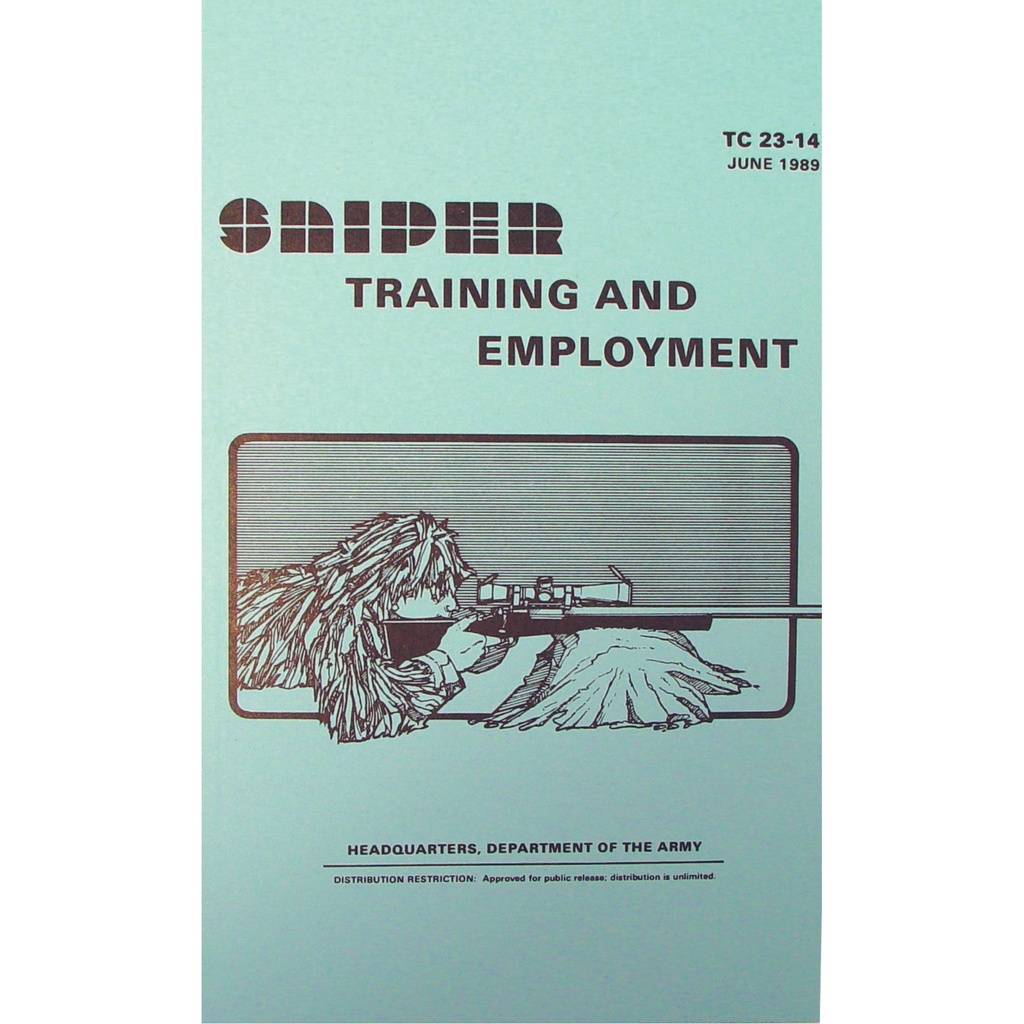
Sniper training manual for Texas shooters who care about real doctrine, not rumor. This reprint of the U.S. Army TC 23-14 “Sniper Training And Employment” lays out how infantry snipers are trained, equipped, and used in the field. It’s written for commanders, instructors, and soldiers, but any serious marksman or military collector in Texas will appreciate the clear, no-nonsense guidance on marksmanship, fieldcraft, and tactical employment straight from the original 1989 source.
Sniper Training Manual for Serious Texas Marksmen
Sniper Training And Employment isn’t a coffee-table book or a glossy shooting magazine. It’s a straight reprint of the U.S. Army’s TC 23-14 sniper training circular from 1989, the doctrine that shaped how infantry snipers were trained, equipped, and sent downrange. For a Texas buyer who cares about real-world tactics and marksmanship, this manual reads like sitting in on the original briefing instead of listening to secondhand range stories.
Where a flashy gear catalog talks up the latest automatic knife or switchblade, this Army sniper manual stays focused on what actually wins the shot: position, patience, and process. It’s official doctrine, not opinion, and that’s exactly why it belongs on the shelf of any serious Texas shooter or military collector.
What This Army Sniper Training Manual Really Covers
This sniper training manual was written for commanders, staffs, instructors, and soldiers, and it shows. Sniper Training And Employment walks through the full life of an infantry sniper: how he’s selected, trained, equipped, and tasked once the rifle leaves the rack.
Core Marksmanship and Fieldcraft
Inside you’ll find detailed instruction on fundamentals that every Texas long-range shooter will recognize, but in the language of doctrine: range estimation, wind reading, target detection, camouflage, stalking, and engagement techniques. It addresses the relationship between rifle, optics, ammunition, and shooter the way a good gunsmith talks about fit and steel on a fine blade.
Tactical Employment and Mission Planning
Beyond pure shooting skill, the manual lays out how snipers are actually used by commanders in the field: where they’re placed, how they’re tasked, how they move, and how they report. For a Texas reader used to thinking about gear—the right OTF knife in the pocket, the right sidearm on the hip—this book explains how the sniper becomes another precision tool in the commander’s kit.
Texas Context: Sniper Doctrine, Not Just Range Talk
Texas has no shortage of rifles, ranges, or strong opinions about how to use both. What sets this sniper training manual apart is that it isn’t opinion at all—it’s the official Department of the Army word on how an infantry sniper is built and employed. For Texas law enforcement trainers, veterans, and competitive shooters, that makes it a grounding reference when the stories get bigger than the truth.
In a state where you can legally carry everything from a well-made automatic knife to a classic switchblade, there’s still a difference between what’s legal to own and what’s smart to use. This sniper manual does the same thing on the rifle side: it separates what sounds tough from what actually works under doctrine, so a Texas reader can judge modern tactics and gear against a known baseline.
Why This Sniper Manual Belongs in a Texas Collection
Collectors in Texas don’t just stack blades and books; they build a story. Next to a well-made OTF knife, a side-opening automatic, or a traditional switchblade, a real Army sniper doctrine manual adds the paper trail that explains why certain tools exist in the first place.
Authentic Reprint of TC 23-14
This is a straight reprint of TC 23-14, Sniper Training And Employment, dated June 1989 and published by the Department of the Army. That makes it a snapshot of Cold War-era doctrine, preserved in the same plain layout and line art that originally went out to units. For a Texas collector who already owns field manuals, patches, or period rifles, this manual fills in the doctrinal gap around how infantry snipers were really used.
Reference Value for Modern Shooters
Even though gear has changed—optics are sharper, rifles are lighter, and that automatic knife in your pocket probably opens faster than anything issued in 1989—the fundamentals of concealment, observation, and disciplined fire haven’t moved much. Texas shooters can read this manual the way a custom-knife collector studies old patterns: not to live in the past, but to understand how we got here.
What Texas Buyers Ask About This Sniper Training Manual
How is this different from a typical shooting or gear book?
Most shooting books mix technique, personal stories, and a lot of gear talk—everything from rifles and slings to the latest automatic knife or OTF knife on someone’s plate carrier. This sniper training manual is different because it’s pure doctrine. It was written for commanders and instructors, not for entertainment, so it focuses on repeatable training, standard procedures, and how a sniper fits into a larger unit. For a Texas buyer, that means you’re getting the same framework soldiers used, not a writer’s downstream interpretation of it.
Is owning this Army sniper manual legal in Texas?
Yes. This is a reprinted Army training circular, not a restricted classified document. Texas law doesn’t have special limits on owning or reading military field manuals like this. The same way Texas law now allows open carry of several knife types—including most automatic knives and traditional switchblades—there’s no extra red tape on a book that explains how infantry snipers are trained and employed. It’s a reference, plain and simple.
Who in Texas gets the most value from this manual?
Three groups. First, Texas military-history and field-manual collectors who want authentic doctrine alongside their surplus gear. Second, serious shooters and instructors who like to check modern techniques against original Army guidance. Third, law enforcement trainers and tactical team members who want to understand where modern sniper employment came from. If you’re the kind of person who can tell the difference between an OTF knife, a side-opening automatic knife, and a classic switchblade at a glance, you’re the kind of reader who will appreciate the precision in this book.
Building a Texas Collection with Real Doctrine
Sniper Training And Employment sits in the same mental shelf as a good knife pattern book or a well-documented rifle manual: it explains why things are the way they are. For a Texas collector or shooter, owning this sniper training manual is less about nostalgia and more about grounding—knowing the doctrine behind the rifles, optics, and even the edged tools that travel with them, from a hard-use automatic knife to a compact OTF carried as backup.
In a state that respects both freedom and responsibility, this Army sniper manual gives you the see-through version of infantry sniper doctrine, written before the marketing and message boards took over. It’s lived-in, straightforward, and quietly authoritative—exactly the kind of reference a serious Texas collector keeps close, and the kind they lend only to someone who’ll actually read it.