
Gallery-Rail Twin-Dowel Sword Cane Display Stand - Natural Wood
13 sold in last 24 hours
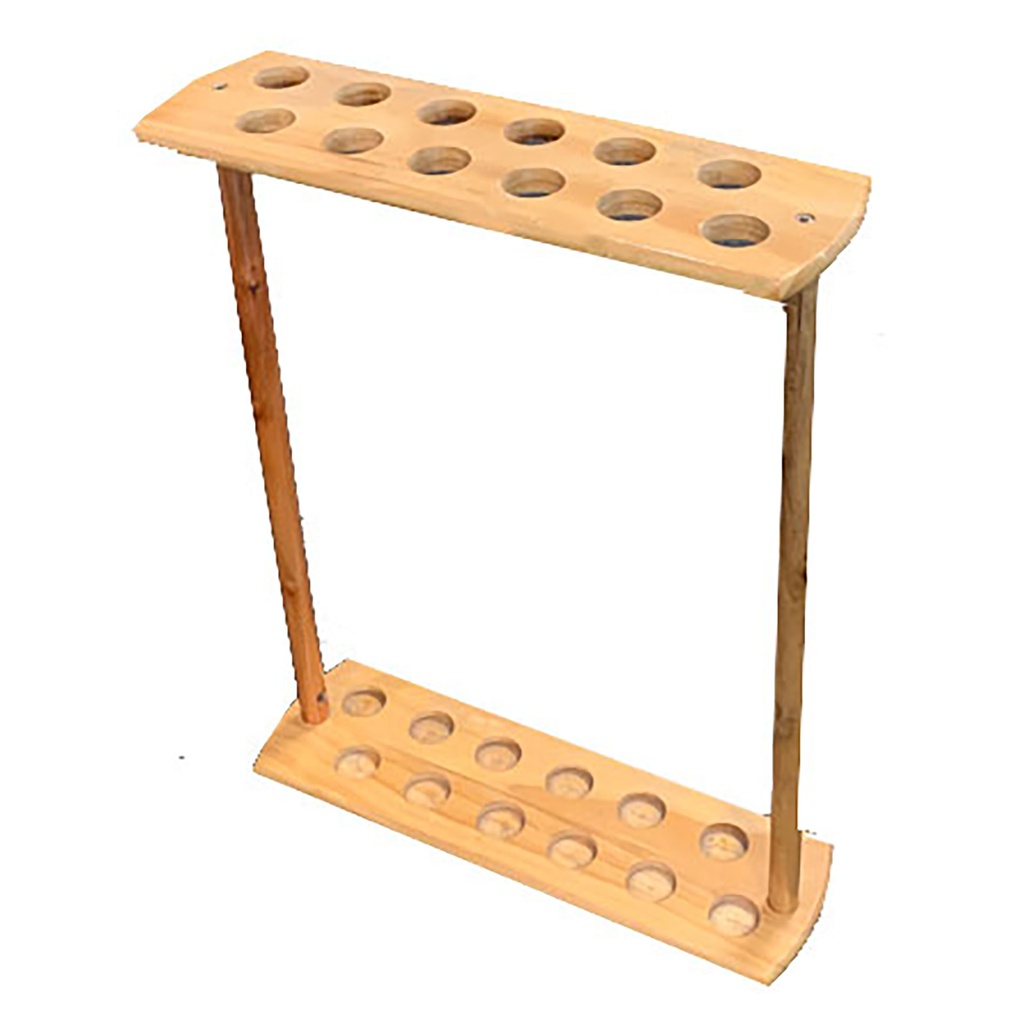
This gallery-rail sword cane display stand turns twelve pieces into a clean, curated row. Twin hardwood dowels frame the canes, while matched holes and cups keep every shaft straight and every tip in place. The natural wood finish brings quiet warmth to a Texas showroom or home collection, guiding the eye to the canes, not the rack. For retailers and collectors who like their floor to look as dialed-in as their stories, it’s a simple, upright way to show you mean business.
| Theme | None |
Gallery-Rail Sword Cane Display Stand for Texas Collectors
This gallery-rail twin-dowel sword cane display stand is built for the Texas collector who treats a sword cane like a story on a shaft. It doesn’t try to steal the show. It simply stands there, natural wood and clean lines, keeping twelve sword canes upright, spaced, and ready to be chosen. Where an automatic knife or an OTF knife lives in your pocket, a sword cane lives on the floor, and this stand gives it the same respect you give a fine switchblade in the case.
What This Sword Cane Display Stand Actually Does
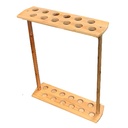
This is a freestanding, open-frame sword cane display stand designed to hold up to twelve canes vertically. The top rail is drilled with twelve circular holes that capture the shaft of each sword cane, while the bottom rail has twelve recessed cups that lock in the tips. Two vertical dowels tie the rails together, giving you a rigid frame that won’t twist when the rack is full. The result is an orderly, gallery-style presentation that makes every piece easy to see and easy to reach.
Where a pocket automatic knife or OTF knife is all about deployment and mechanism, this stand is about stillness and spacing. It’s there to keep your cane lineup straight, quiet, and ready for that one customer or guest who knows exactly what they’re looking at.
Mechanics of the Display: How the Twin-Dowel Frame Works
Balanced Support from Tip to Handle
The twin-dowel structure runs clean and simple. The top board handles alignment: each sword cane shaft drops into a round hole that keeps it from wandering left or right. The bottom board does the heavy work: recessed cups catch the cane tips, taking the weight and fixing each cane in its own space. Those two rails, tied together by solid dowels, create a rigid rectangle that stands its ground on the floor.
This isn’t a fussy case built for tiny folders like an OTF knife or a side-opening automatic. It’s scaled for long, substantial sword canes, giving them clear separation without crowding or clatter.
Open Gallery Sightlines
The open frame leaves all the action where it belongs: on the canes themselves. No bulky side panels, no carved distractions, just natural wood, straight lines, and clean gaps. You get full-length visibility of every sword cane—grip profile, shaft detail, collar work—without having to pull anything off the stand until the buyer is ready to handle it.
Texas Showroom Reality: Where This Stand Belongs
In Texas, a good knife shop or collector room tells a story the minute you step in. Automatic knives might ride in a glass counter, OTF knives might get a dedicated tray, and switchblades usually earn their own case. But sword canes need floor space and order. This sword cane display stand turns a cluttered corner into a clean, curated run of twelve canes that you can walk, point, and talk your way down.
For a San Antonio storefront, a Houston show table, or a Hill Country office lined with gear, this natural wood stand blends in with leather, steel, and woodgrain. It doesn’t fight the room; it anchors it. Customers see the line of canes first, the stand second. That’s exactly how it should be.
Collector Value: Why Serious Buyers Respect Good Display
Collectors in Texas don’t just care about the blade or the hidden steel inside a sword cane. They care about how a piece is kept. You’d never toss a high-end OTF knife loose in a glove box, and you wouldn’t drop a heirloom switchblade in a junk drawer. Same principle here. Twelve sword canes packed in a corner look like inventory. Twelve sword canes standing tall in a gallery-rail display look like a collection.
This stand helps you:
- Keep straight spacing between canes for quick visual comparison
- Elevate perceived value without adding glass or locks
- Guide buyers to “the one” with a simple left-to-right walk-through
- Show off themes—by maker, by era, by material—just by how you arrange them
Any Texan who’s spent time handling automatic knives and OTF knives knows details matter. This stand is one more quiet detail that tells people you’re not new to this.
Texas Context: Sword Canes, Law, and Smart Display
Texas knife and weapons law has opened up over the years, but sword canes still live in a different category than your everyday automatic knife or OTF knife. A switchblade might ride legal in your pocket now, but a sword cane brings questions about location, intent, and how you move with it. That’s why serious Texas sellers and collectors lean on sharp presentation and clear separation between display and carry.
This stand keeps your sword canes clearly in “display” mode. In a shop, that means a clean, obvious rack customers can browse under your eye. In a home collection, it means anyone walking into the room sees them as curated pieces, not something left leaning by the door. The natural wood and open frame give everything a straightforward, honest look—exactly what you want in Texas if anyone ever asks what you own and how you keep it.
What Texas Buyers Ask About Sword Cane Display Stands
How is a sword cane stand different from a rack for automatic or OTF knives?
Automatic knives, OTF knives, and most switchblades are compact and built for pocket or case display. They sit flat in trays, on shelves, or behind glass where you can see the handle and blade profile at a glance. Sword canes are tall, long, and top-heavy, so they need vertical support from tip to grip. This stand uses top holes and bottom cups to keep each cane upright and spaced, turning height into an advantage instead of a storage problem. It’s built for floor presentation, not countertop rows.
Is it a good idea to keep sword canes openly displayed in Texas?
From a Texas perspective, how you store and display sword canes matters as much as what you own. While automatic knives and OTF knives can often sit in open cases without raising eyebrows, sword canes read more like specialty weapons. A dedicated, natural wood stand like this presents them as a collection or for-sale inventory, not loose, ready-to-grab items. If you’re running a shop, it keeps them visible but obviously controlled. At home, it signals that these are curated pieces, not everyday carry.
Will this stand handle heavier, metal-shaft sword canes safely?
Yes—within reason. The twin-dowel frame spreads the load across both the top and bottom rails, so even heavier sword canes with metal or thick hardwood shafts can sit securely in their holes and cups. The key is balance: place the heavier canes more evenly across the twelve slots instead of clustering them all at one end. For a Texas collector who owns a mix of lighter walking-style canes and stout, steel-core pieces, this stand gives you a single, orderly home for the whole lineup.
In the end, this gallery-rail twin-dowel stand is for the Texan who treats display as part of the craft. You already know the difference between an automatic knife, an OTF knife, and a switchblade. You know a sword cane walks its own path. This piece doesn’t try to teach you that—it just gives those canes a steady, natural wood frame to stand in while the rest of your story does the talking.