Silent Loop-Control Duty Slapper - Black Leather
10 sold in last 24 hours
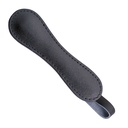
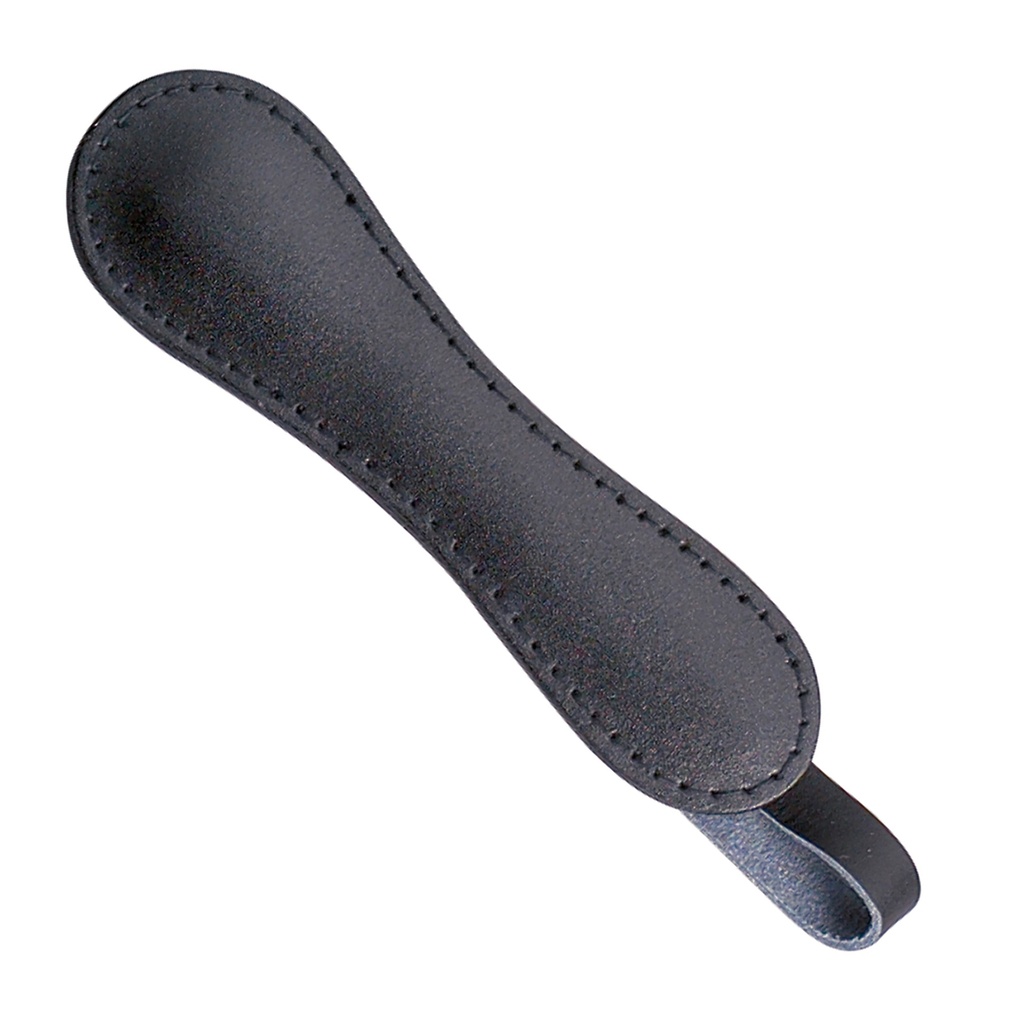
This leather slapper is built for quiet control, not show. At 8.5 inches, it rides light, hits where you point it, and stays in your hand thanks to the loop handle and stitched perimeter. The curved contact face concentrates energy while the flat black leather keeps it discreet in a Texas glove box, duty belt, or nightstand. Simple, traditional, and effective—this is the kind of impact tool folks who know the difference between gimmicks and gear reach for first.
What a Leather Slapper Really Is — and What This One Does
This isn’t a knife, an automatic knife, or any kind of switchblade. The Nightwatch Loop-Control Leather Slapper is an old-school impact tool: compact, leather-wrapped, and built to put controlled force exactly where your hand sends it. Where an automatic knife or OTF knife uses a spring to drive a blade, this slapper uses weight, leverage, and a curved leather contact face to do its job.
At 8.5 inches, stitched all the way around and anchored by a loop handle, it’s meant to live quietly on a Texas belt, in a truck console, or beside a register. No deployment mechanism, no assisted opening—just a traditional leather slapper that does what it’s built to do when you wrap your hand around it.
Leather Slapper Design vs. Automatic Knife and OTF Tools
Texas buyers who already know the difference between an automatic knife, an OTF knife, and a side-opening switchblade also understand there are moments when a blade isn’t the answer. That’s where a leather slapper like this steps in.
Mechanism: Fixed Impact Tool, Not a Folder
An automatic knife uses a spring to swing or slide a blade into place. An OTF knife pushes that blade straight out the front of the handle. A traditional switchblade is just one style of automatic, usually side-opening. This leather slapper has no moving parts at all. The “mechanism” is your hand, the loop, and the weight distribution in the leather body.
The loop handle locks the slapper into your grip so you can swing, press, or index it without worrying about deployment, blade lock, or button placement. Collectors who already run autos and OTF knives often keep a leather slapper on hand for those situations that call for blunt, not sharp.
Curved Contact Face and Loop Control
The curved contact face focuses energy instead of spreading it out like a flat paddle. Combined with the stitched edges, you get a strike surface that lands consistently and tracks where you’re aiming. The loop handle is the other half of the story: you slip your wrist or fingers through, and the slapper stays with you even under stress, sweat, or gloves. That kind of retention matters just as much as lockup does on a good automatic knife.
Texas Carry Reality: Where a Leather Slapper Fits
Texas law treats blades, automatic knives, and switchblades differently from impact tools. While you should always check current statutes and any local restrictions, a leather slapper generally falls under impact or club-style tools, not under automatic knife or switchblade definitions. That matters when you’re deciding what to stage in a truck door, on a duty belt, or behind a counter.
In a state where folks debate OTF knife legality, automatic knife length limits, and where a switchblade can ride, a compact leather slapper is about as low-profile as it gets. It doesn’t flip open, doesn’t flash a blade, and doesn’t confuse anyone who knows the difference between edged and blunt tools.
Everyday Texas Use Cases
Night shift security walking lots in Houston, a bartender locking up in Austin, a ranch hand checking a gate after dark outside Abilene—all three might already carry an automatic knife for cutting rope, zip ties, or packaging. This leather slapper layers in as a separate, purpose-built self-defense and control tool.
It slides into a back pocket, tucks into a glove box, or hangs by the loop from a hook in the shop. No drama, no show, just a simple piece of leather you don’t have to baby, oil, or sharpen.
Why Collectors and Dealers in Texas Still Respect a Leather Slapper
Knife collectors in Texas tend to be mechanism people. They’ll argue action on an OTF knife versus a side-opening automatic knife, and they’ll notice the difference between a budget switchblade and a tuned one. That same eye for purpose and build quality is what makes a traditional leather slapper like this worth stocking and owning.
The compact footprint, clean black leather, and stitched perimeter give it the look of something that belongs beside serious tools, not novelty trinkets. On a retail peg in a Texas shop that sells autos and OTF knives, this slapper tells a different story: old-school control, no batteries, no springs.
Display and Retail Story
Set this leather slapper next to automatic knives and OTF knives and the contrast is clear. The others show off with buttons, sliders, and blades. This one just lies there, quiet and confident. Your explanation to a customer is as simple as the tool itself: “If you want a blade, look here. If you want blunt, controlled force with a retention loop, this is the one.”
Collectors who buy it aren’t confused about categories—they’re rounding out their kit. An automatic knife for cutting, an OTF knife for fast blade access, and a leather slapper for when sharp isn’t the right answer.
What Texas Buyers Ask About Leather Slappers
Is a leather slapper like an automatic knife, OTF knife, or switchblade?
No. A leather slapper is an impact tool, not a knife. An automatic knife or switchblade has a blade that opens under spring tension, either out the side or out the front in an OTF knife. This slapper has no blade and no deployment. It’s closer to a compact baton or sap—built for controlled, focused strikes instead of cutting. If you’re shopping autos, OTFs, and slappers together, this one fills the non-bladed role.
Is a leather slapper legal to carry in Texas?
Texas law changes from time to time, especially around what counts as a club or prohibited weapon, so you should always check the most current statutes and any local rules. Generally speaking, a leather slapper is treated as an impact or club-type tool, not as an automatic knife or switchblade. That puts it under a different part of the law than OTF knives or other automatics. If you carry for work—security, bouncer, or similar—know your policy and local regulations before you strap it on.
Why add a leather slapper if I already carry a good automatic knife?
Because not every problem calls for a blade. A solid automatic knife or OTF knife is hard to beat for cutting tasks, emergency seatbelt work, or utility jobs. A leather slapper gives you a dedicated blunt-force option with retention that doesn’t escalate to an edged weapon. Collectors and working Texans like having both: sharp for cutting, leather and weight for control. This slapper’s compact length and loop handle make it an easy, low-profile addition to your existing carry.
Texas Collector Identity: Knowing When Leather Beats Steel
In Texas, folks who take knives seriously learn the distinctions early: automatic knife versus OTF knife, switchblade versus assisted, fixed blade versus folder. This Nightwatch-style leather slapper belongs in that same honest conversation, even though it isn’t a knife at all. It’s the quiet piece that rides beside your autos and OTFs, there for the moments when a blunt, controlled response is the smarter call.
If you’re the kind of buyer who cares about mechanisms, purpose, and how gear actually carries in the real Texas world—trucks, belts, back rooms, and barns—this leather slapper fits right in. No confusion, no gimmicks. Just a traditional, loop-controlled impact tool that does exactly what it looks like it was built to do.