Smooth-Swivel Flow Nunchucks - Natural Rattan
4 sold in last 24 hours
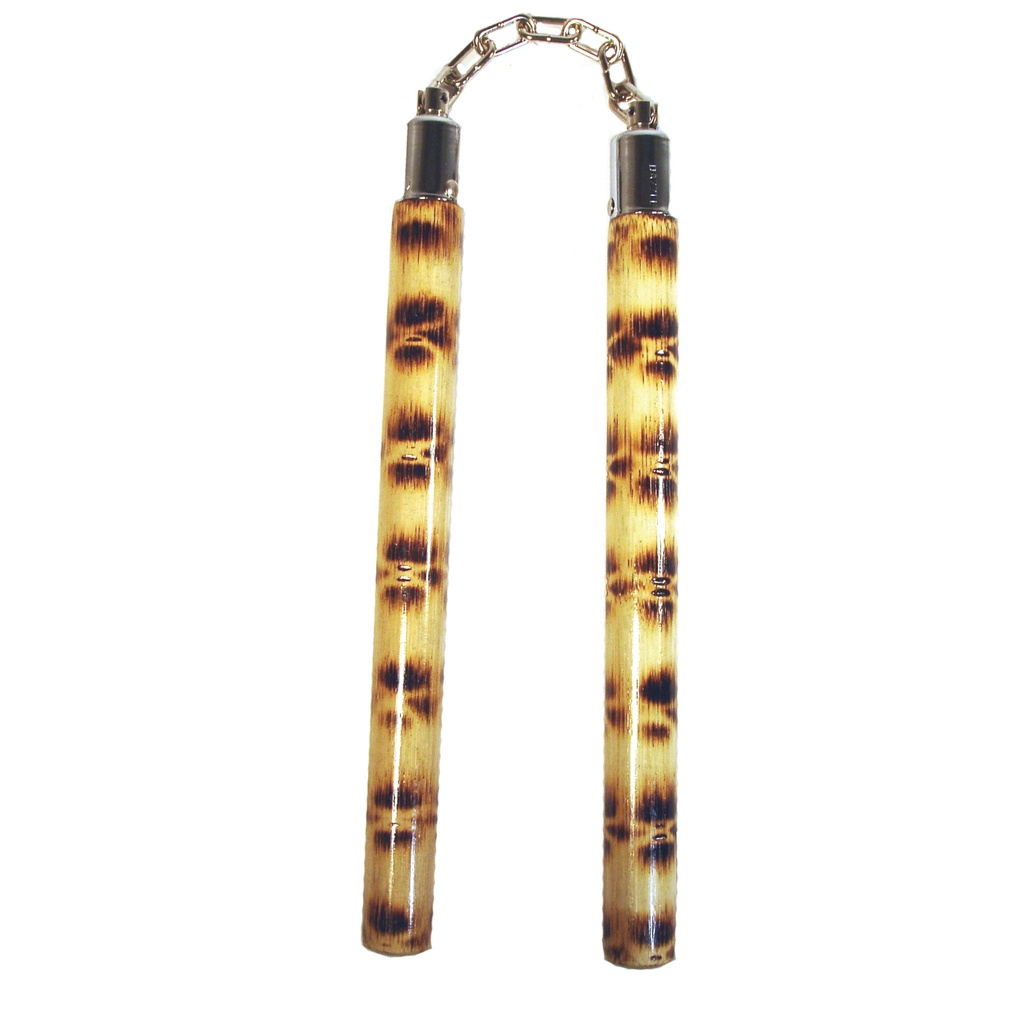
These smooth-swivel rattan nunchucks are built for dojo flow, not gimmicks. Lightweight natural cane with a tactile grain keeps your grip sure and your rhythm clean, while the chain connection moves freely for drills, forms, and live practice. The rattan absorbs shock instead of sending it back into your wrists, making longer Texas training sessions easier on the body. For martial artists who value control over flash, these nunchucks feel right the moment they start moving.
What These Natural Rattan Nunchucks Really Are
These aren’t toys and they aren’t wall-hanger props. These are traditional rattan nunchucks built for dojo training, live flow, and serious practice. Two straight cane handles, a smooth-swivel chain, and nothing extra to get in the way of timing and control. If you spend more time on the mat than on social media, this is the style of nunchaku that makes sense.
Instead of foam padding or flashy graphics, you get natural rattan cane—light in the hand, quick in motion, and honest about your technique. Every strike, block, and flow drill feels clear. If your form is off, these nunchucks will tell you. If your rhythm is sharp, they’ll reward you with smooth, predictable movement.
Dojo-Grade Rattan Nunchucks for Real Training
Rattan is a classic material for martial arts weapons because it bends before it breaks and soaks up shock instead of sending it straight back into your bones. These rattan nunchucks use that same principle. The cane grain and natural nodes give your hands a tactile reference without chewing up your grip. You can feel your hand placement without staring at the sticks.
The smooth-swivel chain connection is tuned for dojo work—fast enough to keep up with advanced spins and transitions, but not so wild it outruns beginners. You get a clean arc, a consistent return, and less fight from the hardware. That means more of your attention stays on stance, breathing, and flow.
Chain Connection That Matches Your Rhythm
The short metal chain sits in that sweet spot between control and speed. Fixed at both ends with dark-finished caps, the swivels allow the handles to rotate freely without binding or hitching. In practice, that means your figure eights, passes, and rebounds track the same line over and over. You don’t have to muscle the nunchucks back into line—just guide them.
Lightweight, Shock-Absorbing Cane
Because the rattan is lightweight, these nunchucks accelerate quickly but don’t punish your joints on contact drills. When you’re running long combinations or repeated blocks in the dojo, that shock absorption matters. It keeps your forearms fresher and your shoulders from tightening up halfway through class.
How These Nunchucks Fit a Texas Training Life
Texas has no shortage of dojos, garages, and backyards where people put in real practice time after work. These rattan nunchucks fit that world. They’re traditional enough for a formal karate, kobudo, taekwondo, or eclectic weapons class, and tough enough for personal practice on a heavy bag or dummy in the backyard.
They’re compact, easy to throw in a gym bag or keep in the truck with the rest of your training gear. Unlike a blade—whether it’s an automatic knife, OTF knife, or classic switchblade—nunchucks are about skill expression, coordination, and control, not cutting. They live in the same broader world of weapons training, but they serve a very different purpose: building timing and body awareness instead of edge work.
Texas Law, Nunchucks, and Where They Belong
Texas has opened up its laws on many weapons over the years, including knives, but you should always check current state and local rules before you start carrying or transporting nunchucks. In some places they’re treated like other impact or martial arts weapons, and the expectations are simple: they belong in training environments and private property, not as something you walk around town spinning for show.
Where an automatic knife, OTF knife, or switchblade raises questions about concealed carry, blade length, or locations like schools and bars, nunchucks raise different questions—more about intent and context than cutting power. Keep them in your gear bag on the way to the dojo, use them where you train, and treat them like the traditional martial arts weapon they are. Respect goes a long way with both the law and your instructors.
Mechanism Talk: How Nunchucks Differ from Knives
If you’re the kind of Texas collector who knows blade mechanisms—automatic knife springs, OTF tracks, switchblade buttons—you’ll appreciate that nunchucks have their own mechanical story. There’s no deployment button, no liner lock, and no edge. The action lives in the chain and your hands.
The smooth-swivel hardware on these rattan nunchucks serves the same purpose a well-tuned mechanism does on a good OTF knife or side-opening automatic: predictable, repeatable movement. With an OTF knife, the blade tracks in a straight channel. With a switchblade, it swings on a pivot. With these nunchucks, the handles swing through clean arcs linked by the chain. Different tools, same demand for reliability.
Why Traditional Cane Still Matters
In a world of padded practice weapons and plastic props, natural cane rattan still earns respect. It forces you to be honest with your spacing and control. It stings if you get sloppy, but it won’t shatter like some hardwoods. That balance is why serious martial artists and Texas school owners still keep rattan nunchucks in their weapon racks.
What Texas Buyers Ask About Rattan Nunchucks
How do these compare to knives like automatic, OTF, or switchblade?
They don’t replace an automatic knife, OTF knife, or switchblade at all—they live in a different lane. Knives are edged tools built to cut; nunchucks are impact and control weapons built to train timing, coordination, and striking angles. A collector who already understands knife mechanisms will recognize that the "mechanism" here is the chain and swivel system, not a blade action. You might carry a knife every day in Texas, but these belong in your training space, not your pocket.
Are rattan nunchucks legal to own and train with in Texas?
Texas law has become more permissive with weapons over time, but impact and martial arts weapons can still be treated differently by city or context. Owning rattan nunchucks for dojo training or home practice is generally treated as lawful when you’re using them as intended—martial arts practice, demonstrations, or controlled training. As always, check current Texas statutes and any local ordinances, and keep them transported like training gear, not carried as a street weapon.
Why choose rattan over foam or hardwood for practice?
Foam nunchucks are fine for true beginners or kids, but they hide bad habits. Hardwood can be unforgiving and heavy, turning every mistake into a bruise. Rattan sits right in the middle: light enough for speed and longer sessions, tough enough to handle contact, and honest enough to correct your form. For a Texas martial artist or collector who wants training gear that actually helps you grow, natural rattan earns its place alongside your favorite knives and other weapons.
Why These Nunchucks Belong in a Texas Collection
If your gear shelf already holds a few favorite blades—maybe an automatic knife that rides in your pocket, an OTF knife you keep at the ranch, or a classic switchblade you bring out for friends—these rattan nunchucks add another side of the story. They’re about skill, not edge. They belong to the part of you that enjoys drilling a form until it’s smooth, not just flicking a blade open to show the mechanism.
Natural rattan, a clean chain connection, and dojo-focused design make this set a working piece, not a novelty. It’s something a Texas instructor can hand to a student without apology and something a collector can keep on the rack knowing it’ll see real use. If you appreciate tools that do exactly what they’re built to do—and nothing more—these rattan nunchucks will feel right at home.