Quiet Readiness Rectangle Soft Ballistic Panel - Black UHMWPE
8 sold in last 24 hours
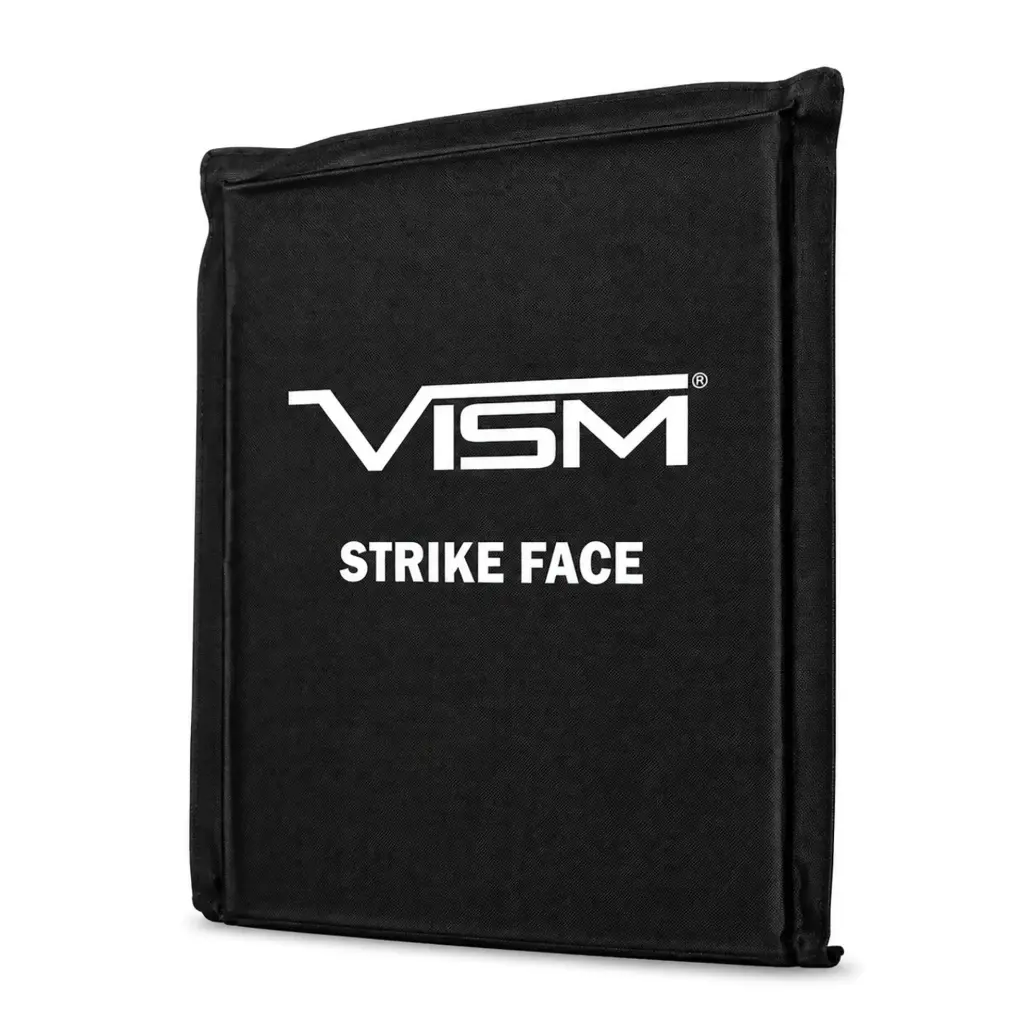
A soft ballistic panel belongs in a setup for a reason, not for show. Quiet Readiness pairs flexible black UHMWPE construction with a 10-by-12-inch rectangular footprint and a listed IIIA protection level. At 1.1 pounds, it gives Texas buyers a measured option for compatible carriers, backpacks, or laptop cases. Clear STRIKE FACE lettering identifies orientation, while the plain finish keeps the appearance restrained. For the collector who checks materials, dimensions, and limitations before buying, this is equipment chosen with the same care as everything else carried.
Understanding Your Soft Ballistic Panel
A soft ballistic panel is flexible protective equipment, not a rigid rifle plate and not a guarantee against every threat. Quiet Readiness starts with that distinction. This VISM panel uses ultra-high-molecular-weight polyethylene, commonly called UHMWPE, in a black rectangular format measuring 10 by 12 inches. Its listed protection level is IIIA, with 9mm and .44 Magnum identified among the rated threats. Those details explain its place in a setup better than any tactical nickname could.
The soft ballistic panel weighs a listed 1.1 pounds. That makes weight planning straightforward, whether you are considering a compatible body armor carrier or a dedicated compartment in a bag. Flexibility helps distinguish it from hard armor, but flexibility alone does not establish protection. Construction, rating documentation, condition, and correct placement all matter. A serious buyer checks those points before deciding where the panel belongs.
How This Soft Ballistic Panel Is Built
UHMWPE construction without unnecessary decoration
UHMWPE is the defining material here. The supplied specifications identify a flexible, fully sealed soft ballistic panel made in the USA. Its black exterior has a fine woven texture, a matte appearance, and a broad perimeter border with visible seams. Slightly rounded corners soften the rectangular outline. There is no decorative scene or aggressive slogan competing with the information a user needs to find.
The exterior is described as sealed against liquids, chemicals, and harsh elements. Treat that as a construction feature, not permission to soak, chemically clean, or neglect the panel. Follow the manufacturer's care instructions and inspect the cover and seams regularly. A soft ballistic panel with uncertain condition deserves manufacturer guidance, not an optimistic guess based on how the outside looks.
Strike-face orientation is a working detail
Large white VISM branding and STRIKE FACE lettering stand out against the black surface. The orientation marking is functional: the indicated strike face must face the anticipated threat according to the manufacturer's installation instructions. Before placing this soft ballistic panel in any compartment, confirm that you can maintain its proper orientation and that the compartment holds it securely.
The listed dimensions describe the panel, not a universal fit standard for every bag. Measure the actual compartment opening and usable interior space. Account for closures, seams, and any manufacturer-specified clearance. Although compatibility with VISM plate carriers is listed, verify the particular carrier and pocket before purchase. A soft ballistic panel should fit the intended equipment without forced folding or improvised alterations.
Soft Ballistic Panel vs. Hard Armor: Know the Difference
The useful comparison here is soft armor versus hard armor. An automatic knife, an OTF knife, and a switchblade describe cutting-tool categories; none describes this product. Applying those terms would obscure what buyers actually need to know. For this soft ballistic panel, the important distinctions are its flexible construction, listed IIIA level, stated threats, dimensions, and intended placement.
Do not read a IIIA designation as a claim of rifle protection. Likewise, do not assume every hard plate offers the same coverage or rating. Each product needs its own supporting documentation. This soft ballistic panel is listed for 9mm and .44 Magnum threats, with a maximum rated velocity of 1,400 feet per second supplied in the product information. Bullet construction and test conditions still matter.
The supplied information does not establish current NIJ certification, identify a particular test standard edition, or provide a complete laboratory report. Ask for that documentation if certification or a specific threat requirement drives your purchase. A soft ballistic panel should be evaluated against documented performance, not upgraded in the buyer's imagination. No body armor eliminates the possibility of injury, and coverage extends only to the area actually protected.
Texas Carry Reality: Fit, Placement, and Law
For Texas buyers, the practical question is where the equipment will actually go. Listed applications include body armor carriers, backpacks, laptop cases, and luggage. A soft ballistic panel placed inside a bag is not the same arrangement as properly worn body armor. Its usefulness depends on the bag's position, the panel's orientation, retention, and whether it covers the area exposed to a threat.
Think through the ordinary routine first. Will the compartment keep the panel flat without stressing it? Can its position change when the bag is set down? Will other contents interfere with placement? The soft ballistic panel adds 1.1 pounds before the weight of the bag and everything else inside. Those are purchase questions worth settling before choosing equipment for regular use.
Texas knife-carry rules do not answer body armor questions. Body armor has its own state and federal restrictions, including restrictions relevant to certain criminal convictions. Texas Penal Code Section 46.041 addresses possession of metal or body armor by a person previously convicted of an offense involving an act of violence; federal law also restricts possession by certain convicted persons, subject to a limited exception. Check current law and applicable site or employer rules before purchasing or carrying a soft ballistic panel.
What Texas Buyers Ask About Soft Ballistic Panel
Is this related to an OTF, automatic knife, or switchblade?
No. This soft ballistic panel is protective equipment with no blade or deployment mechanism. An OTF knife describes a blade that travels out the front; automatic describes powered opening; switchblade is a common and legal term associated with automatic knives. Those categories can overlap. None changes the classification, fit requirements, or protective limitations of this panel.
Can I legally own this soft ballistic panel in Texas?
Many Texas adults can lawfully own body armor, but eligibility is not universal. State and federal restrictions can apply, particularly where certain convictions are involved. Do not substitute a retailer's general description for an eligibility determination. If your circumstances raise a question, consult current statutes or a qualified attorney before obtaining a soft ballistic panel.
What should a careful buyer confirm before ordering?
Confirm compartment dimensions, carrier compatibility, manufacturer instructions, and the documentation behind the listed IIIA rating. Ask about production labeling, warranty terms, and recommended service life rather than assuming them. For a Texas collector, the satisfaction is familiar: knowing exactly what a piece is, what it does, and where its limits begin. Choose this soft ballistic panel with that same discipline, and let the specifications—not the styling—make the final case.