
Range-Ready Soldier Care Field First Aid Manual - Yellow Cover
9 sold in last 24 hours
This field-ready first aid manual is the same 1976 U.S. Army “First Aid for Soldiers” doctrine, reprinted without decoration and ready for real use. The high‑visibility yellow cover makes it easy to grab from a range bag, glove box, or ranch truck kit when seconds matter. Texans who carry automatic knives, OTF knives, or classic switchblades for work or defense will appreciate having an equally no‑nonsense medical reference riding backup—simple, direct instructions for bleeding, shock, burns, and injuries.
What This Field First Aid Manual Really Is
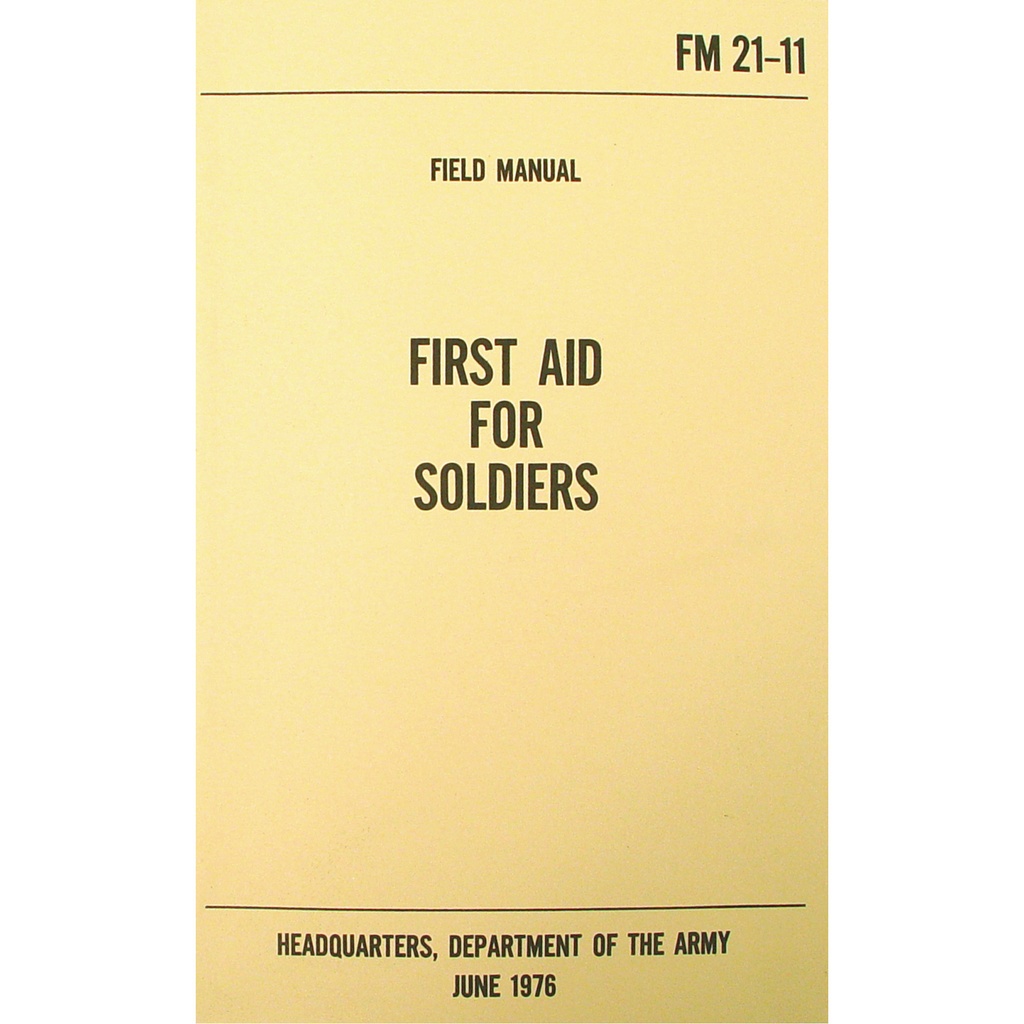
The Range-Ready Soldier Care Field First Aid Manual is a straight reprint of the 1976 U.S. Army “First Aid for Soldiers” field manual, FM 21-11. Same yellow cover, same clear step‑by‑step instructions, same no‑nonsense tone. It was written for soldiers who might have one hand on a rifle and the other on a wounded buddy, not for coffee tables. That makes it just as at home in a Texas ranch truck, range bag, or go‑bag as it ever was in a rucksack.
On this site we talk a lot about automatic knives, OTF knives, and traditional switchblades. This manual isn’t a blade at all—but it absolutely belongs next to them. The same Texan who cares which mechanism rides in their pocket is usually the one who cares enough to carry first aid knowledge, too.
Field Manual Design, Built for Real Use
This is a softcover, English‑language field manual with the classic minimalist Army layout: bold black type on a solid yellow cover, FM 21-11 code at the top, and the Headquarters, Department of the Army line at the bottom. That loud yellow isn’t an aesthetic choice—it’s a visibility choice. Toss it in a range bag, medical kit, or center console and you can spot it instantly.
Inside, the content is organized the way field soldiers needed it in 1976: direct guidance on bleeding control, shock, burns, fractures, and other injuries, without fluff. It assumes the reader may be stressed, tired, or under pressure, and it walks through what to look for and what to do next in plain language. Texans who already know their way around a side‑opening automatic knife or an OTF knife will appreciate the same kind of mechanical clarity applied to lifesaving steps.
Why Texas Knife Owners Stock This Manual
Most Texas knife people don’t just collect blades—they build kits. A favorite automatic knife in the pocket, a workhorse fixed blade in the truck, and a first aid setup close by. This manual is the doctrine piece in that system. It turns a pouch of tourniquets and bandages into a plan.
Whether you’re carrying a double‑action OTF knife on the job, a classic side‑opening switchblade in your collection, or a dependable automatic knife as an everyday tool, sharp steel comes with responsibility. This manual helps close the loop: if something goes wrong, you have more than good intentions—you have a guide that’s been training soldiers for decades.
Built for Kits, Not Bookshelves
The softcover format and modest size mean it slides easily alongside your gear. Toss it into a range bag next to your ear pro and ammo, park it in a drawer with your sharpening stones, or keep it in the same case as your more serious automatic and OTF knives. It’s light enough to forget about until you need it, and bold enough to see when you’re in a hurry.
Official Doctrine, Plain Language
Because this is an official U.S. Army field manual reprint, the guidance isn’t hypothetical. It was written to keep real people alive in bad situations. The structure is simple: here’s the injury, here’s how to recognize it, here’s what to do. That same straight‑line thinking is what serious Texas collectors respect in a good mechanism—whether it’s the coil spring in an automatic knife or the track system in an OTF knife.
Texas Context: From Barracks to Backroads
Texas is big country. If you spend time on ranch roads, deer leases, job sites, or remote lease roads, EMS may not be around the corner. A solid blade gets you out of some problems; a solid first aid plan keeps those problems from getting worse. This manual fits the way Texans actually live—lots of miles, lots of tools, and a preference for being able to handle things until help arrives.
Pair it with your everyday carry automatic knife or your favorite OTF knife in the truck. When you’re cutting cattle panels, opening feed sacks, or running fence line, the odds of minor injury are a lot higher than the odds you’ll ever need to use that switchblade for defense. Having this guide close at hand is the quiet kind of preparation Texans respect.
How This Manual Fits Into a Knife Collector’s World
Collectors usually reach a point where the drawer is full. You’ve already got your side‑opening automatic, your out‑the‑front double‑action, maybe a couple of classic Italian switchblades and a handful of modern autos. The next step isn’t always another blade—it’s rounding out the system that surrounds them.
This first aid field manual is part of that system. It’s the piece that sits next to your kit of bandages and tourniquets, the same way a torque driver sits next to your knives for maintenance. You may never need to use it in anger, but if you do, you’ll be glad you know exactly where it is and what’s inside.
Mechanisms and Medicine: Different Tools, Same Mindset
On this site we’re careful with language: an automatic knife is any blade that opens with a button or switch, a side‑opener by default unless it comes out the front; an OTF knife is specifically an out‑the‑front design; a switchblade is the traditional term most folks use for side‑opening automatics, even though some throw it at OTF knives too. We sort out those distinctions because they matter.
This manual brings that same respect for detail to first aid. It separates bleeding from shock, burns from fractures, and treats each with its own steps. That’s the kind of organization serious Texas collectors recognize and trust.
What Texas Buyers Ask About This Field First Aid Manual
How does this manual relate to my automatic, OTF, or switchblade carry?
It doesn’t replace a blade; it supports the way you use one. If you carry an automatic knife at work, an OTF knife on duty, or a classic switchblade in the truck, you’re already the kind of person who plans ahead. This manual is the medical side of that mindset. It gives you clear, field‑tested steps for dealing with cuts, punctures, shock, burns, and other injuries that can happen anytime sharp tools and hard work share the same space.
Is there anything in Texas law that affects owning or carrying this manual?
No. Texas law doesn’t restrict you from owning, carrying, or using a printed first aid manual like this one. Where Texas law gets particular is around weapons—things like how you carry an automatic knife, whether your OTF knife meets the legal definitions, and where certain blades are allowed. This book is simply information, and it’s legal to keep it in your home, vehicle, range bag, or workplace kit anywhere in the state.
Why should a serious Texas collector add a first aid manual to their setup?
Because a complete system is worth more than one more blade. A serious Texas collector already knows the difference between an automatic knife and an OTF knife, and they probably have a few switchblades that only come out for special occasions. Adding this manual means you’re not just curating steel—you’re curating capability. It’s inexpensive, takes up almost no room, and raises the overall preparedness level of your truck, range bag, or shop in a way most people won’t think about until they need it.
For Texans Who Take Their Tools—and Their People—Seriously
This Range-Ready Soldier Care Field First Aid Manual isn’t flashy, and it doesn’t try to be. It’s the same yellow‑covered FM 21-11 that’s been teaching soldiers how to handle injuries since the seventies, now riding in Texas trucks, kits, and gear rooms. If you’re the kind of person who knows the difference between a side‑opening automatic knife, an OTF knife, and an old‑school switchblade, you’re also the kind who understands that gear is more than edge and steel. This little manual earns its space right beside your favorites—quiet, capable, and ready when it counts.